Photo: Kanthi Kiran / Wikimedia Commons (CC BY-SA 4.0)
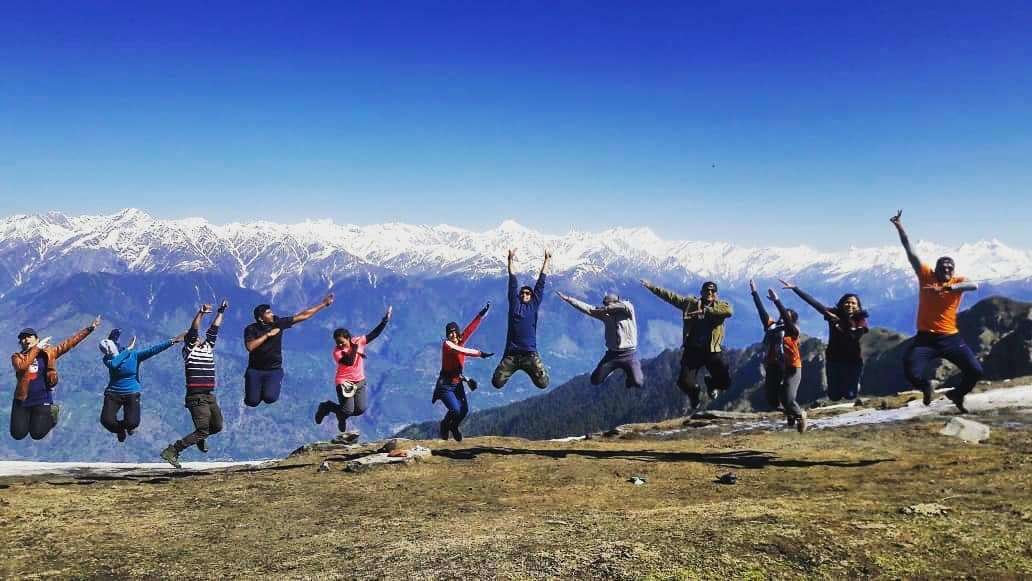
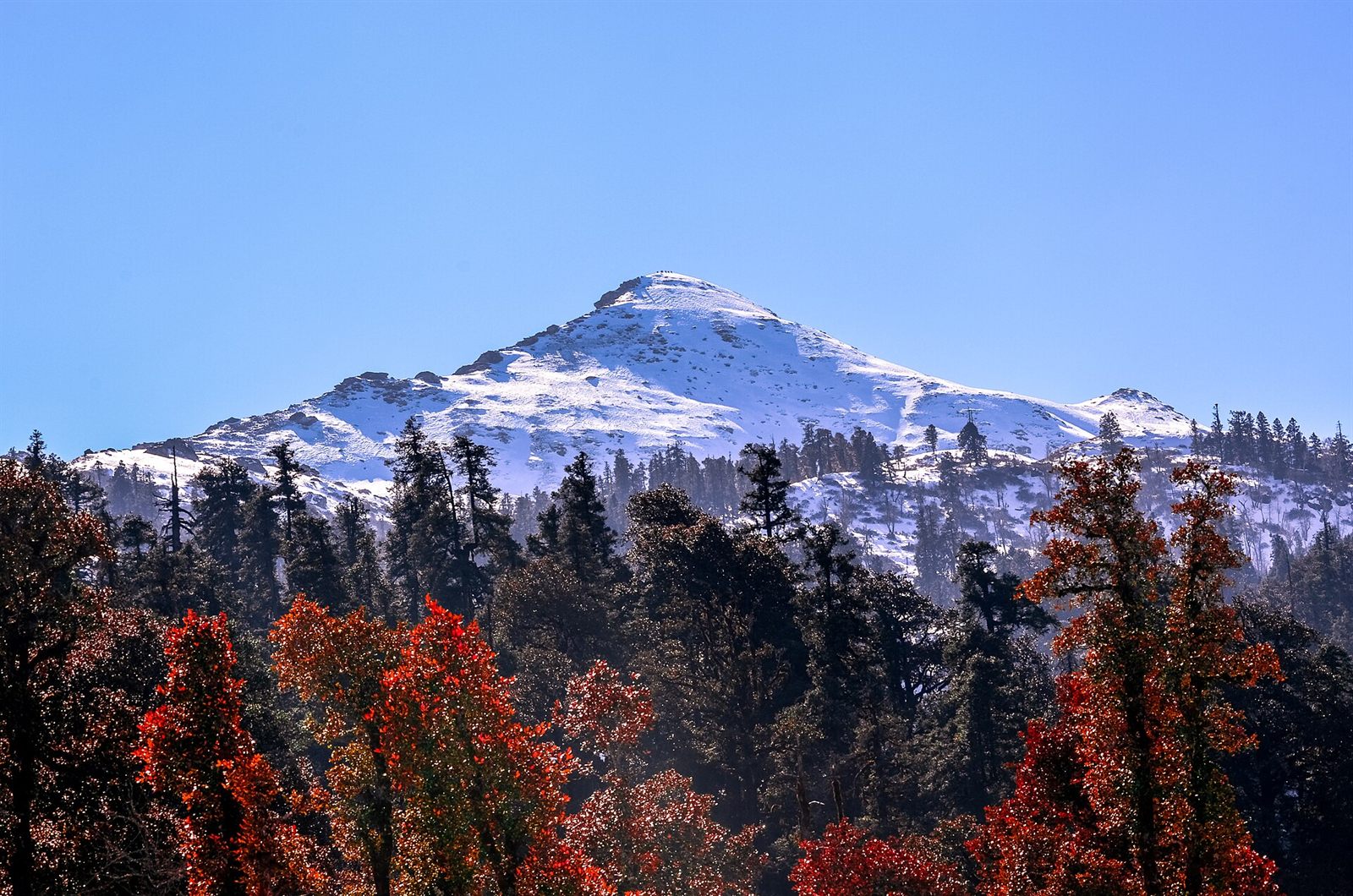
If one trek converted India to winter trekking, it is Kedarkantha. Rising from the village of Sankri (6,455 ft) in Uttarakhand's Govind Wildlife Sanctuary, the trail climbs through deep pine and oak forest to a summit at 12,500 ft - and in the months from December to March, the whole landscape lies under fresh, deep snow.
The route is justly famous for its campsites: the frozen clearing of Juda-ka-Talab, and the open Kedarkantha base camp with its sweeping views. The summit push begins before dawn, head-torches winding up the snow slope, to arrive on top as first light sets the surrounding peaks - Swargarohini, Bandarpunch, Black Peak - on fire.
The winter classic
- Reliable, deep snow from December through March
- The frozen lake of Juda-ka-Talab
- A dramatic pre-dawn summit climb
- About 20 km over five to six days - moderate but achievable
The YHAI way
Kedarkantha rewards preparation: temperatures at the higher camps can fall to -10°C. Good layering, gaiters and microspikes make all the difference, and YHAI's staged itinerary helps trekkers acclimatise safely.
More Trek Guides
 TravelogueEasy
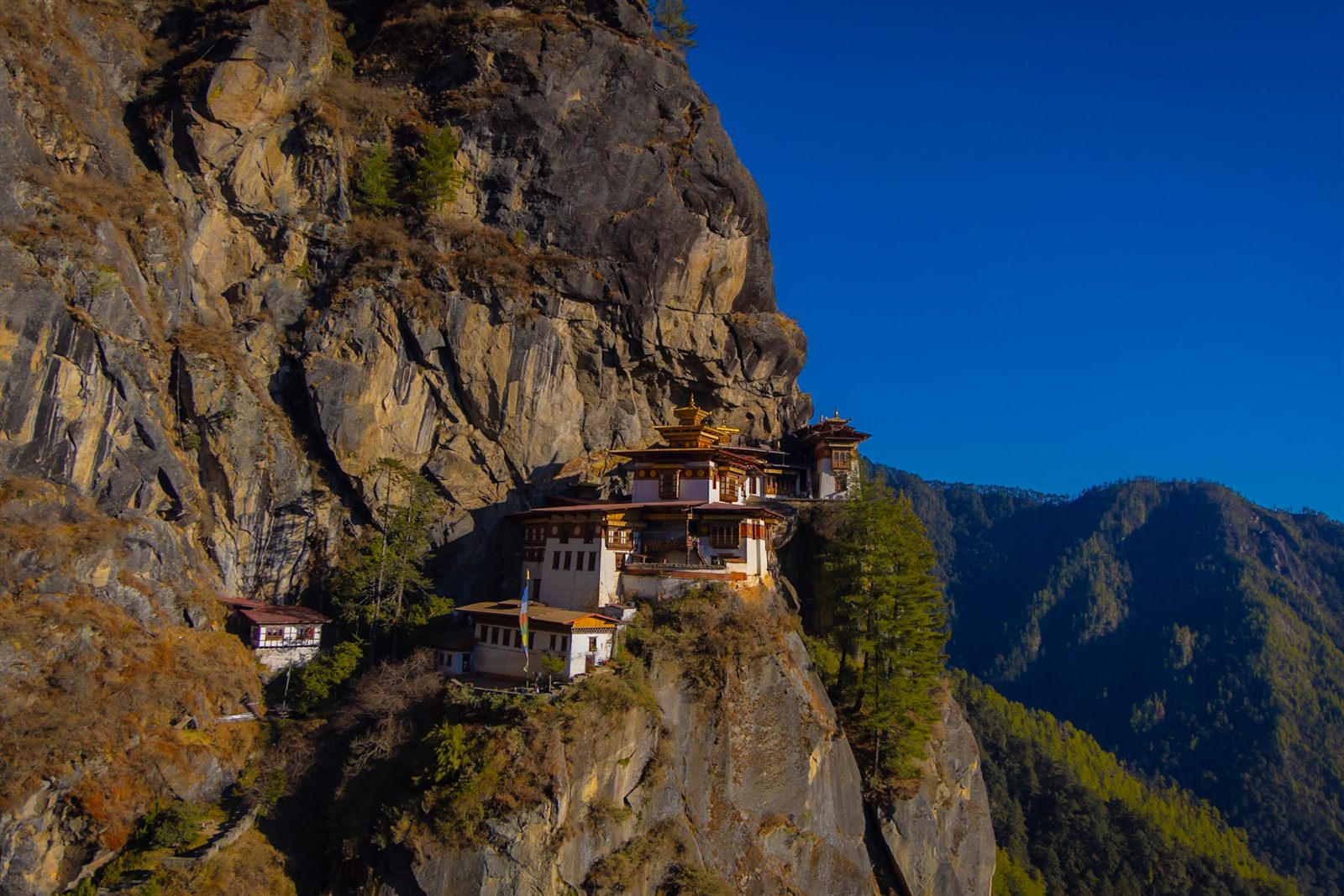
You cross a border on foot at Jaigaon, and within a few hours the noise simply stops. Bhutan does not try to impress you quickly - which is exactly why it stays with you.
 TravelogueEasy to Moderate
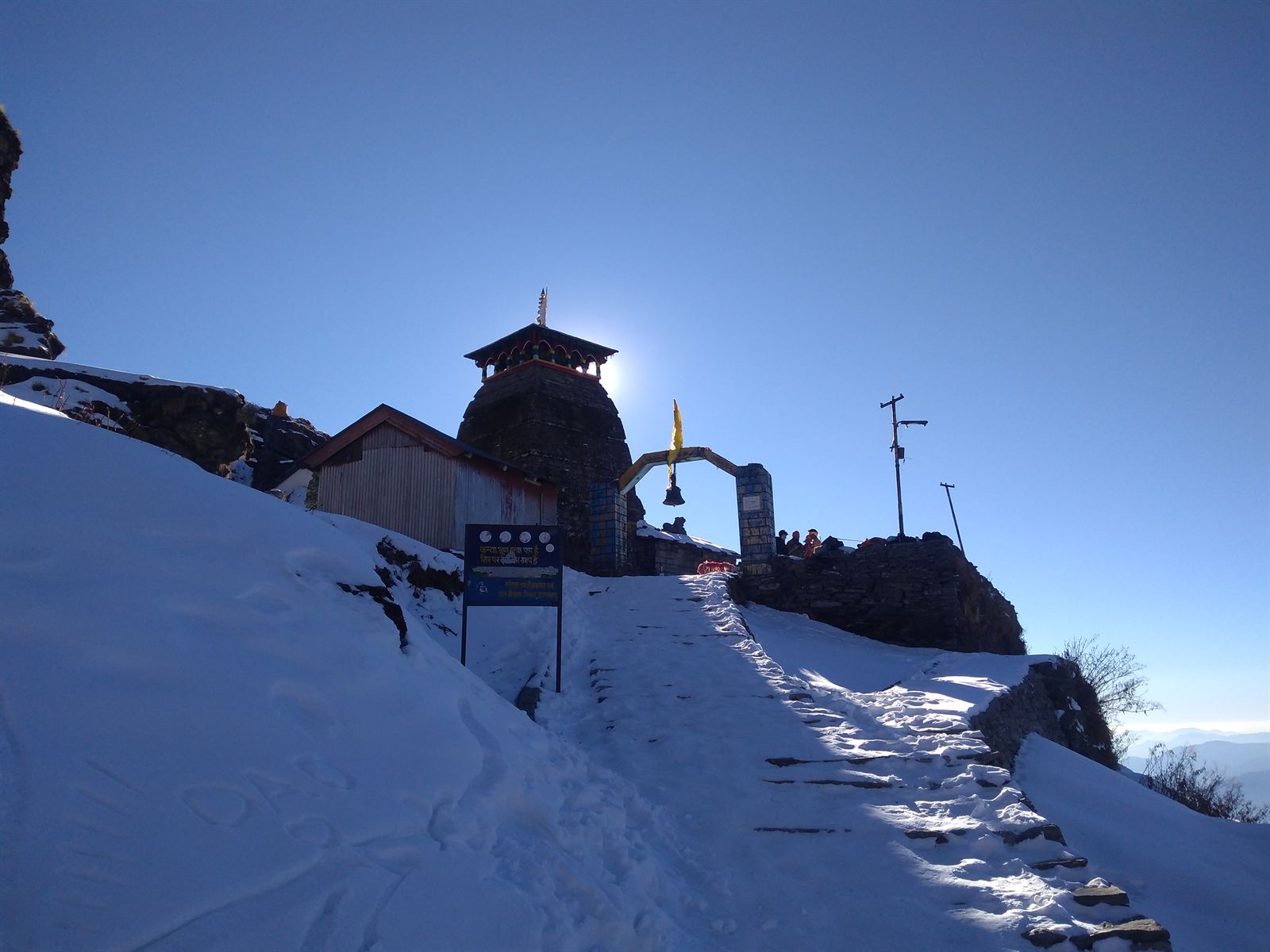
I had never slept in a tent, never walked uphill for more than an hour, and had booked a Himalayan trek on a whim. Six days later I was standing on a summit at first light, wondering why I had waited so long.
 Travelogue
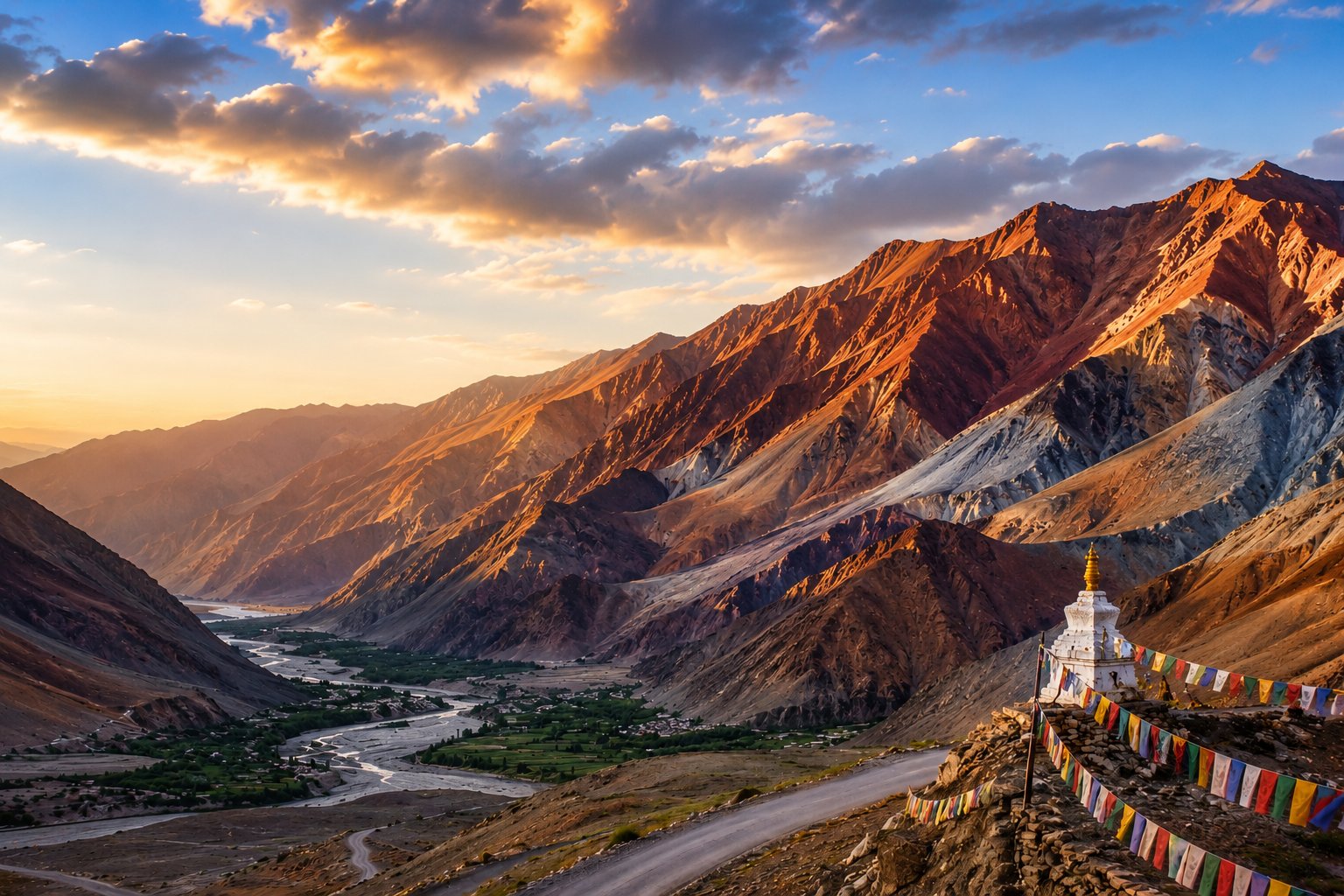
You don't just visit Ladakh - you surrender to it. A YHAI Leh Explore Camp told through acclimatisation days, high passes and the long silences in between.