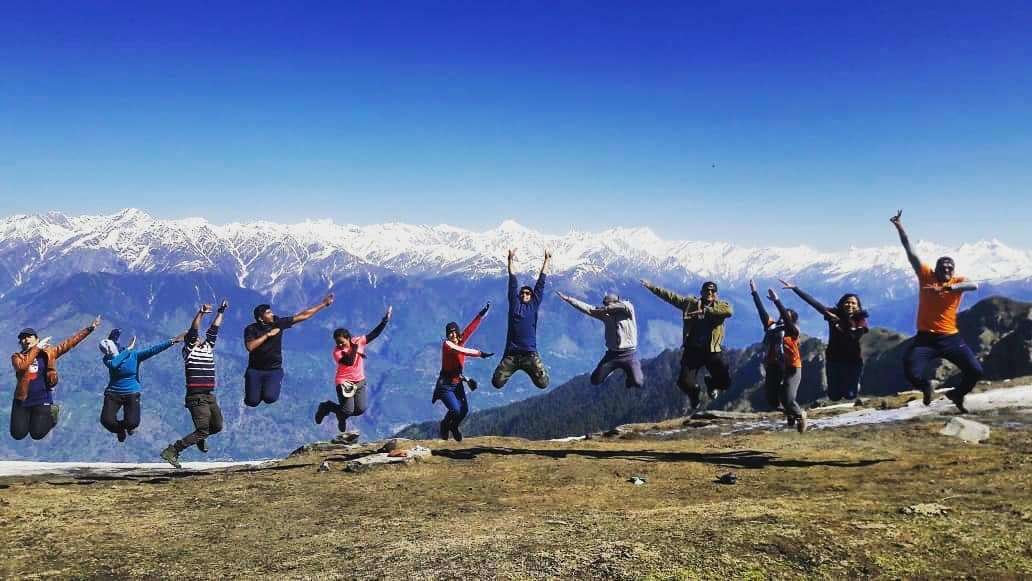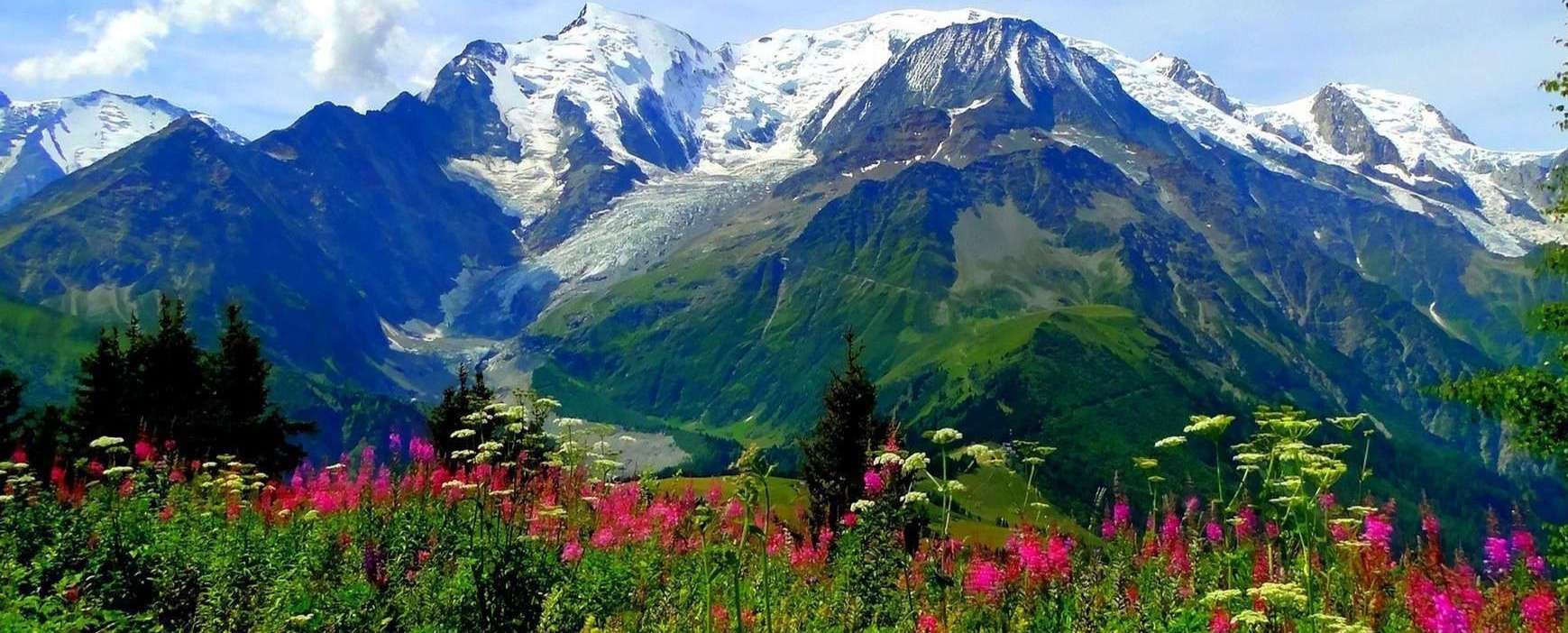
A UNESCO World Heritage Site, the Valley of Flowers National Park is unlike anywhere else on the trekking map. For most of the year it lies under snow - but when the monsoon arrives, the valley floor explodes into a kaleidoscope of more than 500 species of alpine flowers, including the rare Blue Poppy and the sacred Brahma Kamal.
The trek begins at Govindghat on the Badrinath highway and climbs to the base village of Ghangaria. From there, one day is given to the flower valley itself, and another to the steep pilgrimage to Hemkund Sahib - a glacial lake at 14,100 ft ringed by seven peaks and home to one of the highest gurudwaras in the world.
Why it is special
- 500+ species of Himalayan wildflowers in full monsoon bloom
- Rare flora such as the Blue Poppy and Brahma Kamal
- The spiritual high point of Hemkund Sahib at 14,100 ft
- Gentle gradients that make it ideal for first-time Himalayan trekkers
The YHAI way
Open only between July and September, this is a trek defined by timing - go too early or too late and the valley is bare. YHAI's program handles the logistics, permits and camping so trekkers can focus on the colour. Expect rain, pack a good poncho, and remember that camping inside the national park is prohibited; nights are spent at Ghangaria.
More Trek Guides
 TravelogueEasy
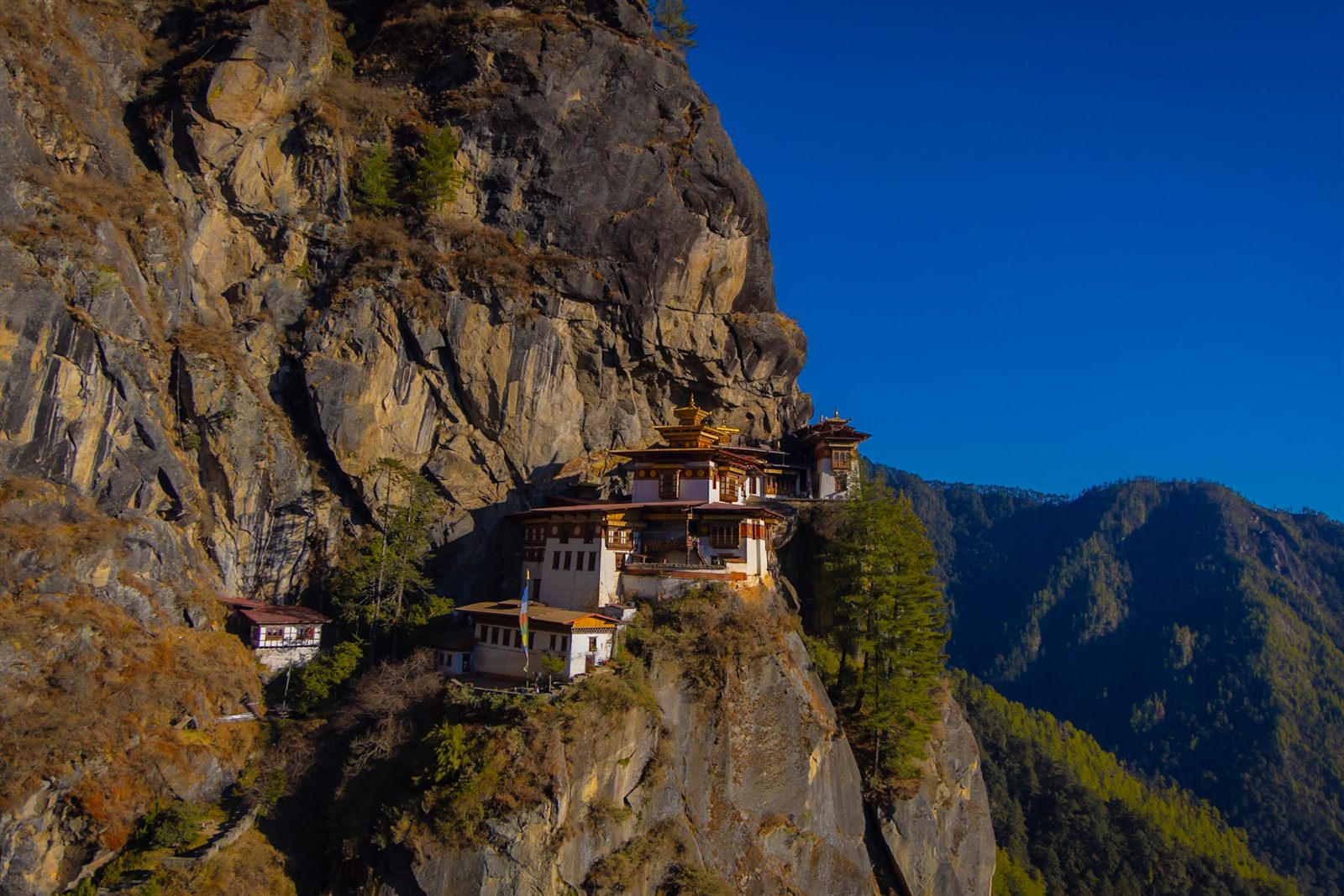
You cross a border on foot at Jaigaon, and within a few hours the noise simply stops. Bhutan does not try to impress you quickly - which is exactly why it stays with you.
 TravelogueEasy to Moderate
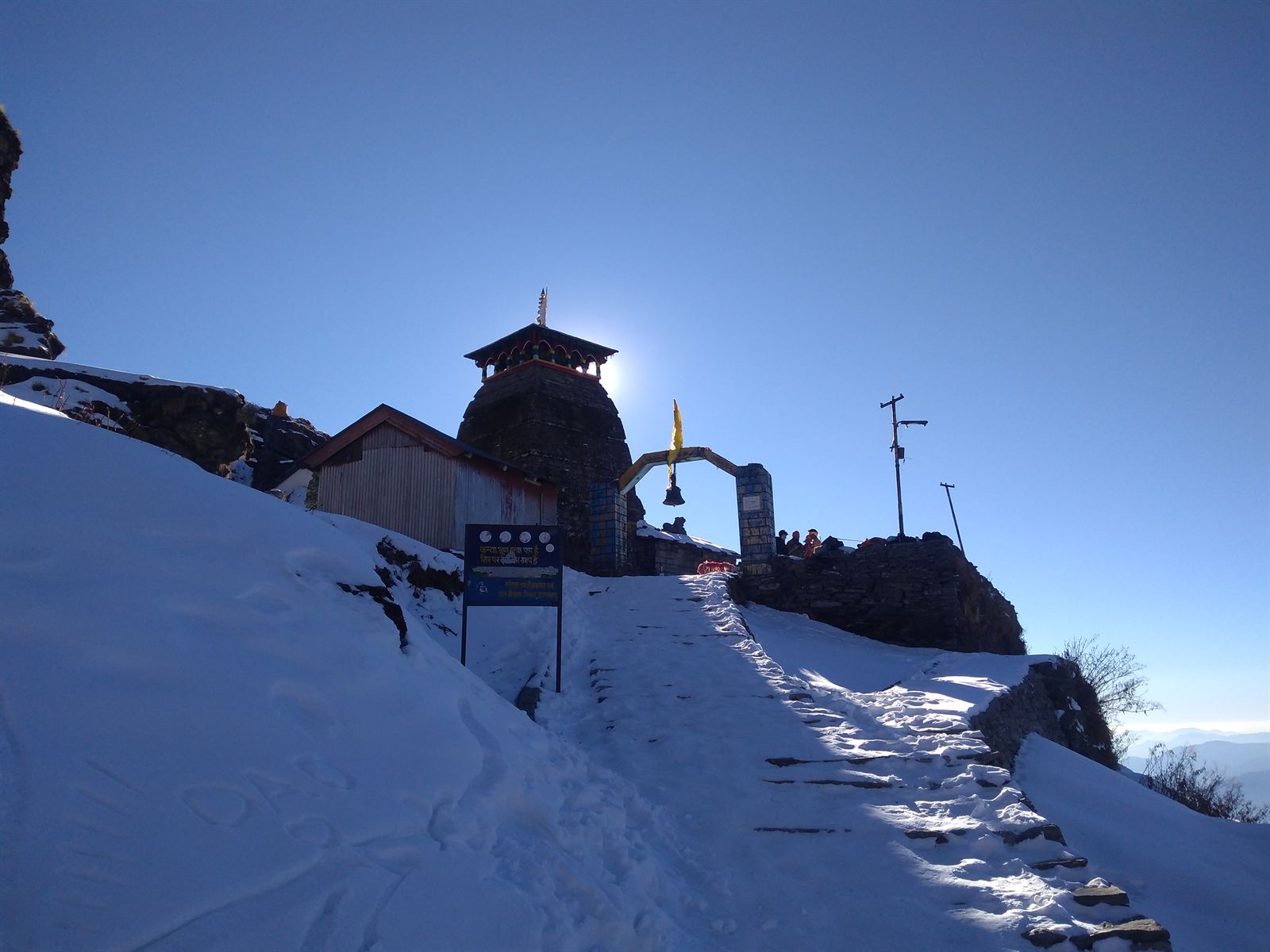
I had never slept in a tent, never walked uphill for more than an hour, and had booked a Himalayan trek on a whim. Six days later I was standing on a summit at first light, wondering why I had waited so long.
 Travelogue
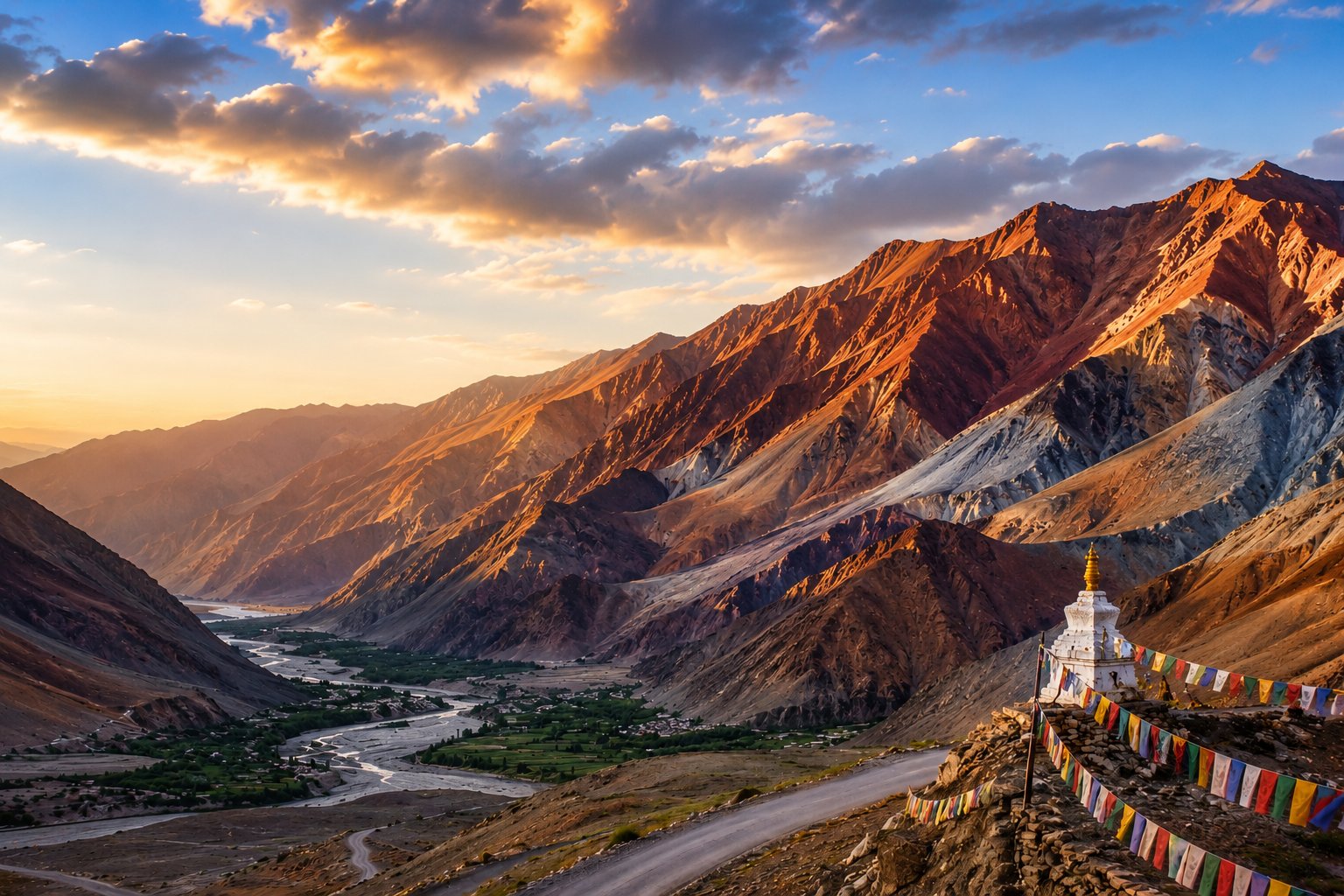
You don't just visit Ladakh - you surrender to it. A YHAI Leh Explore Camp told through acclimatisation days, high passes and the long silences in between.